
D = 50,0
p
o
i
n
t
V = 0,1
D = 25,0
o
f
V = 0,2
D = 16,67
v
i
e
w
V = 0,3




According to

experts, glasses are the fifth
experts, glasses
most important invention since mankind discovered
are the fifth most important invention
since mankind discovered fire and
experts, glasses are the fifth most important invention since mankind discovered fire and
fire and invented the
invented the

wheel

The reason
For the first time in human history, millions of people were able to enjoy good vision in spite of problems with their vision
Alexander Pushkin
See Portrait


Marie Antoinette
See Portrait


Thomas Cromwell
See Portrait


Heinrich XIV
See Portrait


Anna Ioannovna
See Portrait


Catherine the Great
See Portrait


Europe
1000-1200.
1000-1200.
Reading

stone
Before glasses were invented, monks used small polished glass or crystal hemispheres known as reading stones. Placed directly on top of a manuscript, the curved surface magnified the letters beneath it, making it easier to read and copy sacred texts


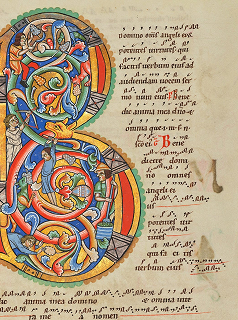


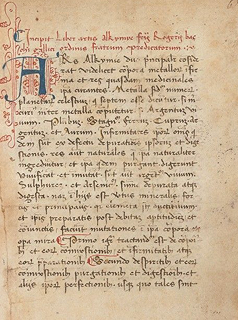


These simple

lenses laid

the
foundation for ◂ the development
of wearable

spectacles
centuries

later
R
I
V
E
T


Northern Italy
1280-1300.
1280-1300.
S
p
e
c
t
a
c
l
e
Early glasses had no temples—users balanced them on the nose or held them by hand. Impractical, but revolutionary: they restored reading for scholars and marked the beginning of wearable vision correction
Experiments
Before modern glasses with temples became standard, many different designs appeared as opticians experimented with ways to hold lenses in front of the eyes
Experiments
Before modern glasses with temples became standard, many different designs appeared as opticians experimented with ways to hold lenses in front of the eyes
∙ Pince-nez
∙∙ Lorgnette
∙∙∙ Monocle
XVI
XVIII
XIX


Monocle
Germany & France

Monocles became associated with aristocrats,
intellectuals, and military officers. They were often custom-made to fit the wearer’s eye

Lorgnette
England & France

A pair of lenses attached to a handle,
used by holding them in front of the eyes. Popular in theaters, opera houses

Pince-nez
europe & United States

Glasses without temples that stayed in place by
pinching the bridge of the nose. The name comes from the French pincer (“to pinch”) and nez (“nose”)
London
1728
1728
Edward Scarlett introduced glasses with rigid side arms—temples
D = 50,0
n
o
V = 0,1
D = 25,0
h
a
n
d
s
V = 0,2
D = 25,0
g
l
a
s
s
e
s
V = 0,2

Temple Length
construction
Resting against the sides of the head, they kept frames securely in place without hands or nose pressure
Glasses became easier
to

produce
Bridge
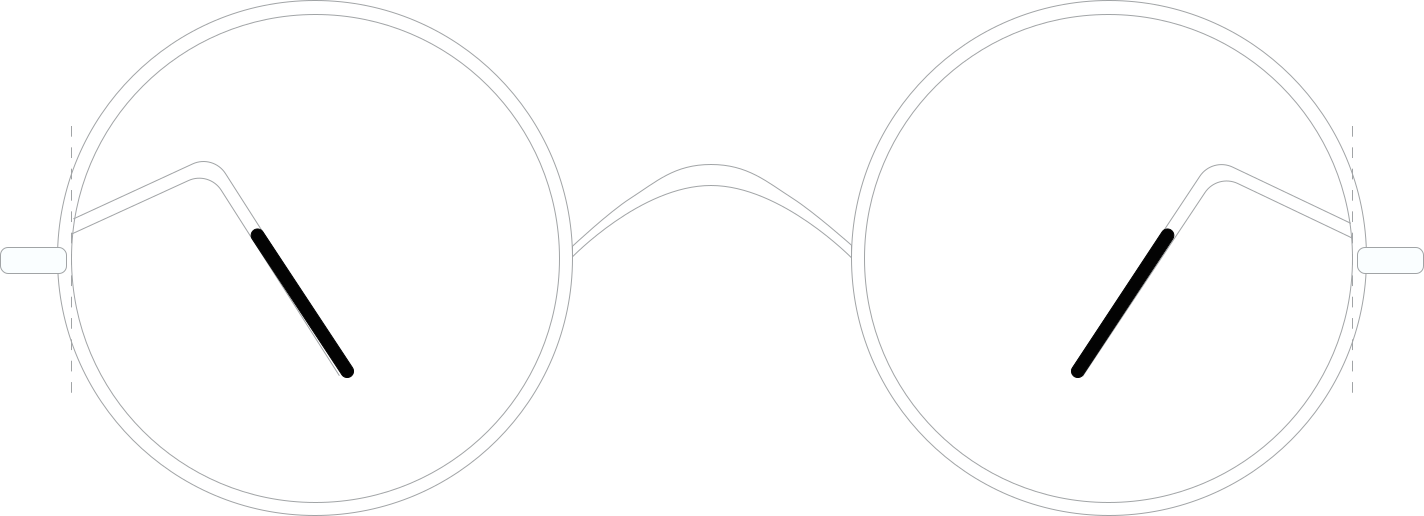

Between Arms


Glasses made it possible for people to
Glasses made it possible for people
Glasses made it possible for

read,
to
people to
read,

work, and see
work, and

the
the world in detail

see the
world in detail
dandelion
detail 001
dimples on cheeks
detail 002
Book cover
detail 003
morning dew
detail 004
butterfly wing
detail 005
In the 1900s, glasses evolved from vision
In the 1900s, glasses evolved from
In the 1900s, glasses evolved

aids into
from
vision
aids into cultural
cultural

symbols,
becoming fashion

statements
symbols,
and tools
becoming fashion

of self-expression
statements and
tools
statements and tools
of self-expression
of
self-expression
the Archive

-


 Round1900
-
 Aviator1936
-
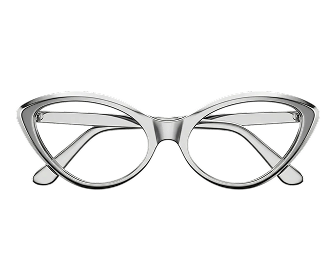 Cat-Eye1950
-
 Wayfarer1952
-
 Oversized1960
-
 Wrap-around1980
-
 Rave2000
-
Camera2012
the Archive

Round
Round frames gained popularity because early lens manufacturing made circular shapes easier to produce. They soon became associated with intellectuals, artists, and cultural icons

the archive

Aviator
Originally designed by Bausch & Lomb for U.S. military pilots, aviator sunglasses featured large teardrop-shaped lenses to protect the entire field of vision from sunlight at high altitude

the archive

Cat-Eye
With their sharp upward corners, cat-eye frames became a symbol of post-war femininity and glamour. They were popularized by Hollywood actresses and often decorated with rhinestones or bold colors

the archive

Wayfarer
Ray-Ban introduced Wayfarer frames with a bold plastic shape that broke away from traditional metal eyewear. Their distinctive design quickly became a cultural icon in music, cinema, and pop culture

the archive

Oversized
Large lenses offered both sun protection and dramatic visual impact, becoming closely associated with celebrity culture and luxury fashion

the archive

Wrap-around
Designed for sports and high-performance activities, wrap-around glasses curved around the face to provide better protection and peripheral vision

the archive

Rave
Inspired by digital culture, cyberpunk aesthetics, and futuristic design, these glasses feature sharp geometry, reflective lenses, and experimental materials

the archive

Camera
Camera glasses integrate small cameras directly into the frame, allowing users to capture photos and videos from a first-person perspective

Glasses are no longer just
about seeing

the world
They’re about how
the world

sees you
Research, design & development
ANNA HODARKOVSKAYA

Albert Einstein

Harry Potter

Steve Jobs

Keanu Reeves

Kanye West

Madonna

Willem Dafoe

Timothée Chalamet

Billie Eilish
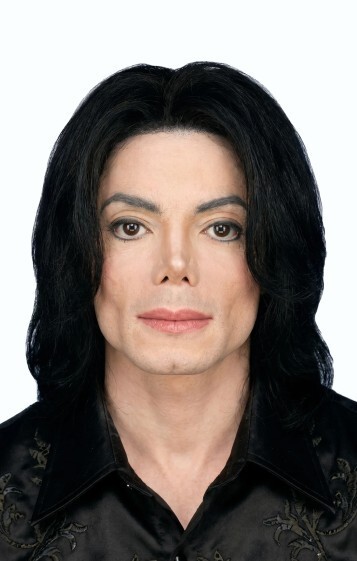
Michael Jackson

John Lennon

Nikola Tesla
Albert Einstein
Harry Potter
Steve Jobs
Keanu Reeves
Kanye West
Madonna
Willem Dafoe
Timothée Chalamet
Billie Eilish
Michael Jackson
John Lennon
Nikola Tesla

Albert Einstein

Harry Potter

Steve Jobs

Keanu Reeves

Kanye West

Madonna

Willem Dafoe

Timothée Chalamet

Billie Eilish

Michael Jackson

John Lennon

Nikola Tesla
Albert Einstein
Harry Potter
Steve Jobs
Keanu Reeves
Kanye West
Madonna
Willem Dafoe
Timothée Chalamet
Billie Eilish
Michael Jackson
John Lennon
Nikola Tesla